
Wheezing, cough, and shortness of breath
Wheezing, coughing, and shortness of breath can happen when the airways become irritated, inflamed, or narrowed. These symptoms are commonly associated with asthma, allergies, respiratory infections, exercise, and environmental triggers, and they may range from occasional mild episodes to more persistent breathing problems that need medical attention.

Respiratory symptoms
Understanding these symptoms
Wheezing is a whistling sound that often happens when air moves through narrowed airways. Coughing and shortness of breath may also come with chest tightness, reduced exercise tolerance, nighttime symptoms, or a feeling that it is difficult to take a full breath.
For some patients, these symptoms flare during pollen season, after viral illness, with exercise, or after exposure to dust, pet dander, smoke, or cold air. In other patients, they may point to asthma or allergy-related airway inflammation that should be properly diagnosed and treated.
Common symptoms
You may experience
Wheezing, coughing, and shortness of breath often occur together with other airway-related symptoms. You may experience one or more of the following.
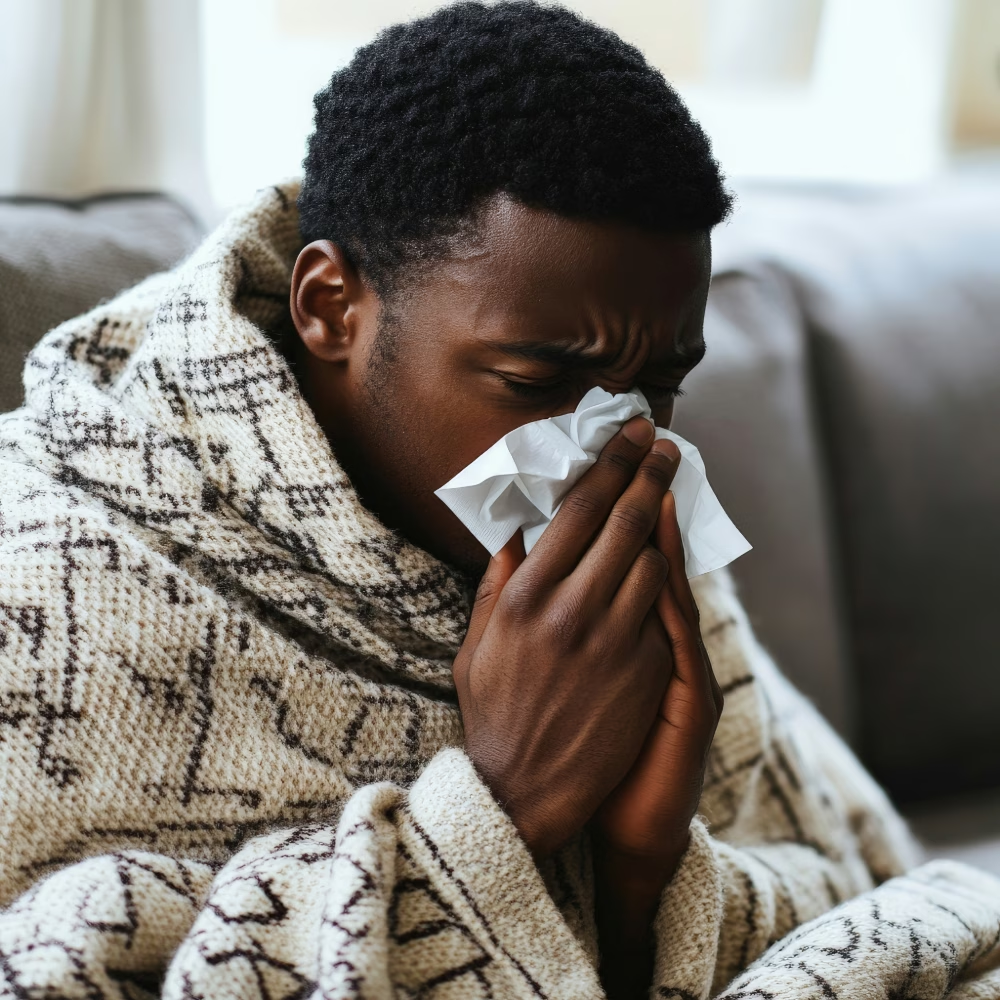
Wheezing
A whistling sound when breathing, often worse at night.

Persistent cough
Ongoing coughing that may worsen with triggers or activity.

Chest tightness
A feeling of pressure or constriction in the chest.

Shortness of breath
Difficulty breathing comfortably during rest, exercise, or exposure.

Trigger-related cough
Coughing that worsens with allergens, smoke, or cold air.

Sleep disruption
Nighttime breathing symptoms that interrupt rest and recovery.
Possible causes
What could be causing your symptoms?
Asthma is one of the most common causes of wheezing and breathing difficulty, but allergy-related inflammation, infections, exercise, and airway irritants can also trigger symptoms. A pattern of repeated flares, seasonal worsening, or symptoms tied to specific exposures can help identify the underlying cause.
If symptoms happen often, wake you up at night, interfere with daily activity, or do not improve, a specialist evaluation can help determine whether asthma, allergy triggers, or another breathing condition is involved. Pulmonary function testing may also be recommended when appropriate.


Breathing at home
Managing symptoms at home
While specialist care is essential for ongoing breathing problems, there are practical things you can do at home to reduce airway irritation and keep symptoms from flaring as often.
Reduce allergen exposure
Avoid smoke, strong odors, dust, and other known irritants whenever possible.
Clean indoor air
Reduce indoor allergen exposure and keep shared air spaces as clean as possible.
Follow treatment
Take asthma or allergy medications exactly as prescribed.
Track symptoms
Watch for patterns such as nighttime flares, exercise symptoms, or seasonal
Seek care
Seek prompt medical care if symptoms are worsening or not improving.

Ready to breathe easier?
A specialist evaluation can help identify what is triggering your symptoms and create a treatment plan that supports better breathing and better daily function.
Book an appointment