
Seasonal allergies
Seasonal allergies can make it hard to enjoy time outside, sleep comfortably, or get through the day without congestion, sneezing, itchy eyes, or sinus pressure. Also called allergic rhinitis or hay fever, seasonal allergies happen when the immune system overreacts to airborne allergens such as tree, grass, or weed pollen.
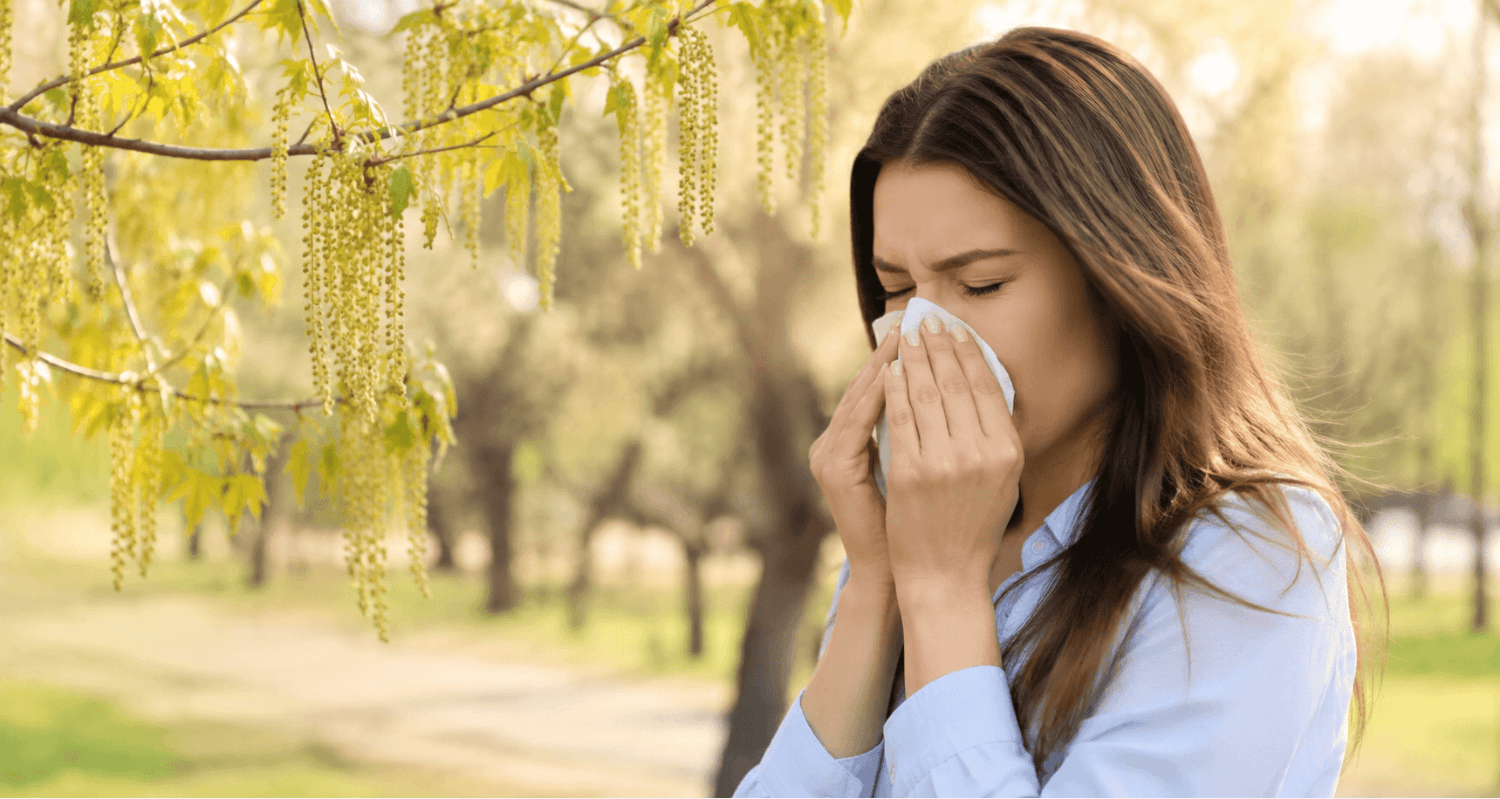
Pollen-triggered allergies
What are seasonal allergies?
Seasonal allergies are immune reactions triggered by outdoor allergens that appear during certain parts of the year. In many patients, symptoms begin when pollen levels rise in spring, summer, or fall, leading to sneezing, congestion, a runny nose, itchy eyes, and postnasal drip.
Unlike a cold, seasonal allergies do not come from a virus. Symptoms often follow a pattern, showing up around the same time each year or worsening after time outdoors, lawn work, or exposure to windy, high-pollen conditions.
Signs and triggers
Learn more about the common signs, triggers, and environmental patterns behind seasonal allergy symptoms.
Seasonal allergies often affect the nose, eyes, throat, and overall comfort. Symptoms may range from mild irritation to more disruptive day-to-day inflammation during peak pollen times.
Frequent sneezing
Runny nose or clear nasal drainage
Stuffy nose or nasal congestion
Itchy nose, throat, or eyes
Postnasal drip
Sinus pressure or facial discomfort
Watery or red eyes
Seasonal allergies are usually caused by pollens and other outdoor environmental triggers that rise during different parts of the year. The exact season depends on what the patient is sensitive to and local exposure patterns.
Tree pollen, often more common in spring
Grass pollen, often higher in late spring and summer
Weed pollen, especially ragweed, often worse in late summer and fall
Outdoor mold spores
Windy, dry days that increase pollen exposure
Time spent mowing, gardening, or doing yard work
Body-wide effects
How seasonal allergies affect your body
When seasonal allergens enter the nose or eyes, the immune system may treat them like a threat and release chemicals such as histamine. That reaction can lead to swelling, mucus production, sneezing, itching, and congestion that make breathing and daily comfort harder than they should be.
Seasonal allergies can also affect sleep, concentration, school performance, work productivity, and exercise tolerance, especially when symptoms are ongoing or untreated.


Relief options
How we treat seasonal allergies
Seasonal allergies can often be managed effectively with the right diagnosis and a treatment plan tailored to symptom pattern, trigger exposure, and severity. Care may include allergy testing, medication guidance, trigger reduction strategies, and long-term allergy treatment such as immunotherapy when symptoms remain difficult to control.
Your treatment plan may include:
Allergy testing
Identifies which pollens or environmental triggers may be driving symptoms and helps guide more targeted care.
Personalized medications
May include antihistamines, nasal sprays, eye drops, or other symptom-relief options based on the patient’s needs.
Allergy immunotherapy
Allergy shots or other immunotherapy options may help reduce immune sensitivity over time in selected patients.
Lifestyle & prevention
Exposure reduction strategies such as checking pollen levels, closing windows, showering after time outdoors, and reducing high-pollen contact can support better control.
Ready to find relief?
Do not let seasonal allergies keep interrupting your routine. Schedule an appointment with Paris Asthma & Allergy Centers for expert evaluation, allergy testing, and a personalized plan built around your symptoms and triggers.
Book an appointment