
Hives, itching, and rashes
Hives, itching, and rashes may appear suddenly or develop over time, and they can be caused by allergies, skin sensitivity, infections, medications, or other triggers. These symptoms can be uncomfortable, disruptive, and sometimes difficult to identify without expert evaluation.

Skin allergy symptoms
Understanding these symptoms
Hives usually appear as raised, itchy welts that may move around or fade and return. Rashes may look red, dry, rough, bumpy, swollen, or irritated, while itching can happen with or without a visible change in the skin..
Sometimes these symptoms are tied to allergic reactions, but they may also be related to eczema, contact dermatitis, chronic hives, or other inflammatory skin conditions. The timing, location, appearance, and possible triggers all help guide diagnosis and treatment.
Common symptoms
You may experience
Hives, itching, and rashes can appear in different ways depending on the underlying cause. You may experience one or more of the following.

Raised itchy welts
Temporary swollen bumps that may move or reappear.

Red inflamed patches
Areas of irritated skin with redness or tenderness.
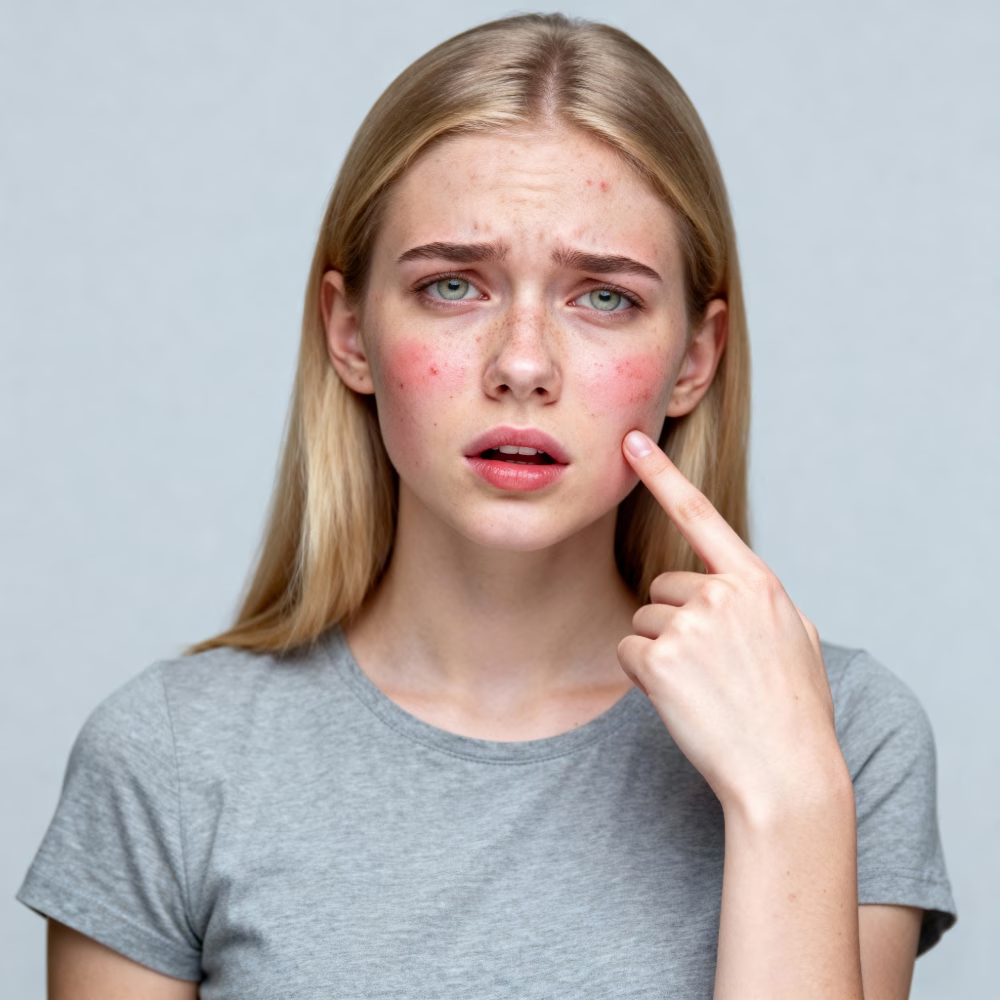
Dry irritated skin
Rough, flaky, or uncomfortable skin that feels sensitive.

Burning or stinging
Skin discomfort that may accompany itching or redness.

Swelling
Puffiness around eyes, lips, or affected skin areas.

Trigger-related flares
Symptoms after foods, medications, heat, pressure, or products.
Possible causes
What could be causing your symptoms?
Skin symptoms can be caused by allergies, eczema, contact dermatitis, infections, medication reactions, or chronic urticaria. In some cases, the trigger is obvious, but in others it takes a careful review of recent exposures, medications, and symptom patterns to uncover the cause.
If symptoms are spreading, recurring, hard to control, or interfering with daily life, a specialist can help determine whether testing, medication review, or skin-care changes are needed. Accurate diagnosis can make treatment more effective and reduce unnecessary avoidance steps.


At-home guidance
Managing symptoms at home
Hives, itching, and rashes can be frustrating, but thoughtful home care often makes the skin calmer and more comfortable while you work toward a long-term solution.
Avoid irritants
Avoid fragranced products, harsh soaps, and known skin irritants.
Moisturize skin
Moisturize regularly if the skin is dry or eczema-prone.
Avoid scratching
Avoid scratching, which can worsen inflammation and prolong healing.
Track triggers
Keep track of new foods, medications, or products when symptoms appear suddenly.
Follow treatment
Follow the treatment plan and seek re-evaluation if symptoms continue.

Ready to find relief?
Persistent hives or itchy rashes deserve a closer look. A targeted evaluation can help identify triggers, calm irritation, and reduce future flares.
Book an appointment