
Food reactions
Food reactions can range from mild discomfort to severe allergy symptoms, and they are not always easy to interpret without guidance. If symptoms happen after eating, a careful evaluation can help determine whether the issue may be a food allergy, food intolerance, or another condition.

Food allergy symptoms
Understanding these symptoms
Some food reactions happen quickly and may involve itching, hives, swelling, vomiting, or breathing problems soon after eating. Others are less specific, which is why the timing of symptoms, the food involved, and the repeat pattern all matter.
Not every food-related symptom is a true allergy. Reactions may also be caused by intolerance, reflux, oral allergy syndrome, or digestive issues, so accurate diagnosis is important before making long-term diet changes.
Common symptoms
You may experience
Food reactions can affect the skin, digestive system, or breathing and may vary from person to person. You may experience one or more of the following.
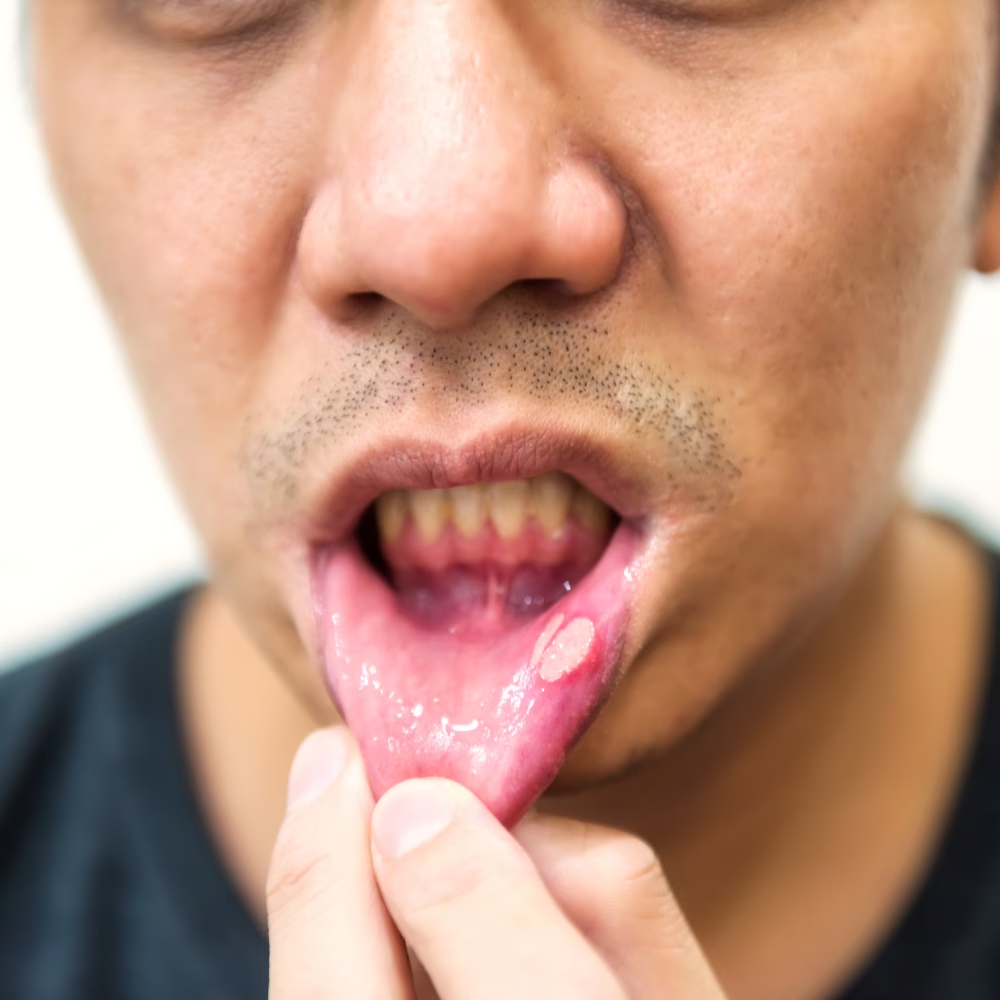
Mouth itching
Tingling or itching after eating certain foods.

Hives after eating
Raised itchy welts appearing soon after meals.

Lip or facial swelling
Swelling that may suggest an allergic response.

Stomach symptoms
Pain, nausea, vomiting, or digestive discomfort after eating.

Breathing symptoms
Coughing, wheezing, or throat symptoms after exposure.

Repeat reactions
Similar symptoms happening with the same food again.
Possible causes
What could be causing your symptoms?
Food allergy is one possible cause, especially when symptoms happen repeatedly after eating a specific food. However, food intolerance, reflux, oral allergy syndrome, and digestive sensitivity can also create similar symptoms.
Because some food reactions can become serious, it is important to evaluate them carefully instead of guessing or removing many foods without a clear plan. Proper diagnosis helps avoid unnecessary restrictions and supports safer management.


At-home guidance
Managing symptoms at home
Until your food reactions are fully evaluated, careful home management is important for safety and for understanding what may be happening.
Avoid trigger foods
Avoid foods that have clearly triggered reactions until evaluation is complete.
Read food labels
Read ingredient labels carefully if a food allergy is suspected.
Track food reactions
Keep a log of foods eaten and symptoms that followed.
Follow your emergency plan
Follow emergency instructions if you already have a diagnosed food allergy.
Seek emergency care
Seek urgent care right away for severe reactions.

Ready to understand your food reactions?
A reaction after eating should not be left to guesswork. A specialist evaluation can help determine whether food allergy testing or other next steps are appropriate.
Book an appointment