
Patch testing
Patch testing helps evaluate delayed skin reactions caused by contact allergens rather than immediate allergy symptoms like sneezing or hives. It is often used when a patient has recurring rash, eczema-like flares, or suspected allergic contact dermatitis linked to products, metals, fragrances, or workplace exposures.

Contact allergy testing
What is patch testing?
Patch testing is used to investigate allergic contact dermatitis, a delayed immune reaction that appears after the skin comes into contact with a triggering substance. Unlike skin prick testing, patch testing is designed for reactions that develop over time rather than immediately.
Book an appointmentWhen testing helps
Could patch testing be right for you?
Patch testing may be recommended for patients experiencing:

Recurrent eczema-like rash or irritation.

Skin reactions to products or materials.

Rash on hands, face, or eyelids.
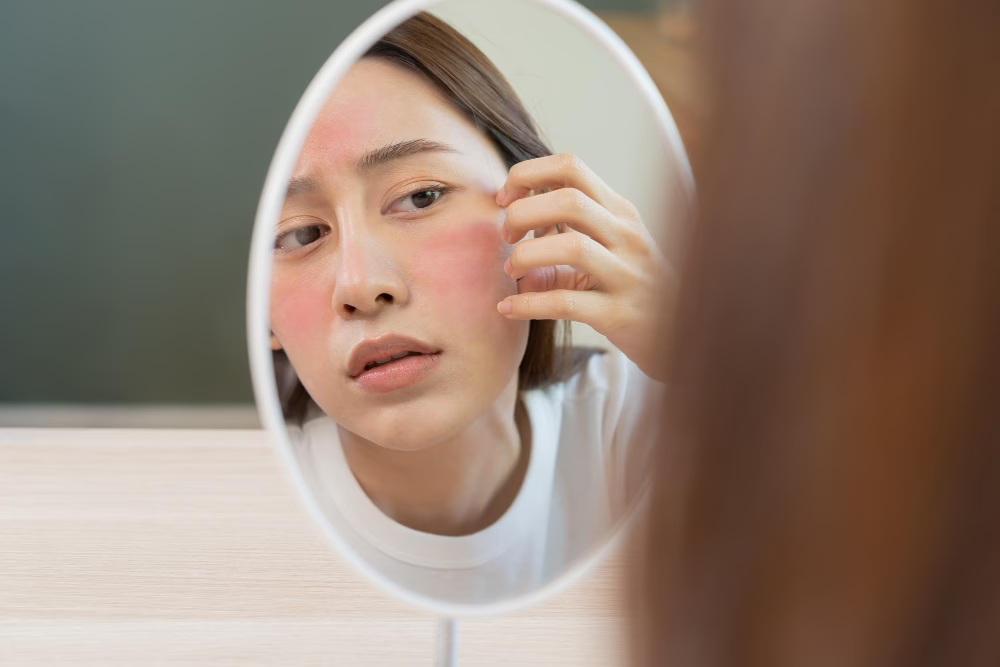
Worsening symptoms with cosmetics or fragrances.

Suspected metal, preservative, or chemical allergy.

Ongoing dermatitis without clear explanation.
Recurrent eczema-like rash or irritation.
Skin reactions to products or materials.
Rash on hands, face, or eyelids.
Worsening symptoms with cosmetics or fragrances.
Suspected metal, preservative, or chemical allergy.
Ongoing dermatitis without clear explanation.
Cause clarification
Why patch testing matters
When contact dermatitis keeps returning, it can be difficult to know whether the cause is a skincare product, workplace exposure, personal item, or another hidden trigger. Patch testing helps uncover delayed contact allergens so treatment can focus on both symptom relief and trigger avoidance.
Benefits of patch testing may include:
Identifying delayed contact allergens
Clarifying what may be driving recurring dermatitis
Improving product and exposure guidance
Supporting longer-term skin management


Testing process
How patch testing works
Patch testing usually takes place over multiple steps so delayed reactions have time to develop.
Patch placement
Small amounts of diluted allergens are placed on the skin, often on the back, and left in place for a set period.
Follow-up readings
The skin is checked after the patches are removed and again later because delayed reactions often take time to appear.
Result interpretation
Positive reactions are reviewed in context so patients understand which substances may matter in daily life and where those exposures may happen.
Looking for answers about recurring skin reactions?
Schedule a patch testing evaluation to learn whether a delayed contact allergen may be contributing to ongoing rash or dermatitis.
Book an appointment