
Pulmonary function testing
Pulmonary function testing helps measure how well the lungs move air and how the airways are functioning. It is commonly used when asthma, chronic cough, wheezing, shortness of breath, or exercise-related breathing symptoms need a clearer explanation.

Breathing evaluation
What is pulmonary function testing?
Pulmonary function testing includes breathing tests that measure airflow, lung performance, and how open or narrowed the airways may be. In allergy and asthma care, these tests are often used to support asthma diagnosis, assess control, and better understand breathing symptoms over time.
Book an appointmentWhen testing helps
Could pulmonary function testing be right for you?
Pulmonary function testing may be recommended for patients experiencing:

Wheezing, cough, or breathing trouble.

Shortness of breath or tightness.
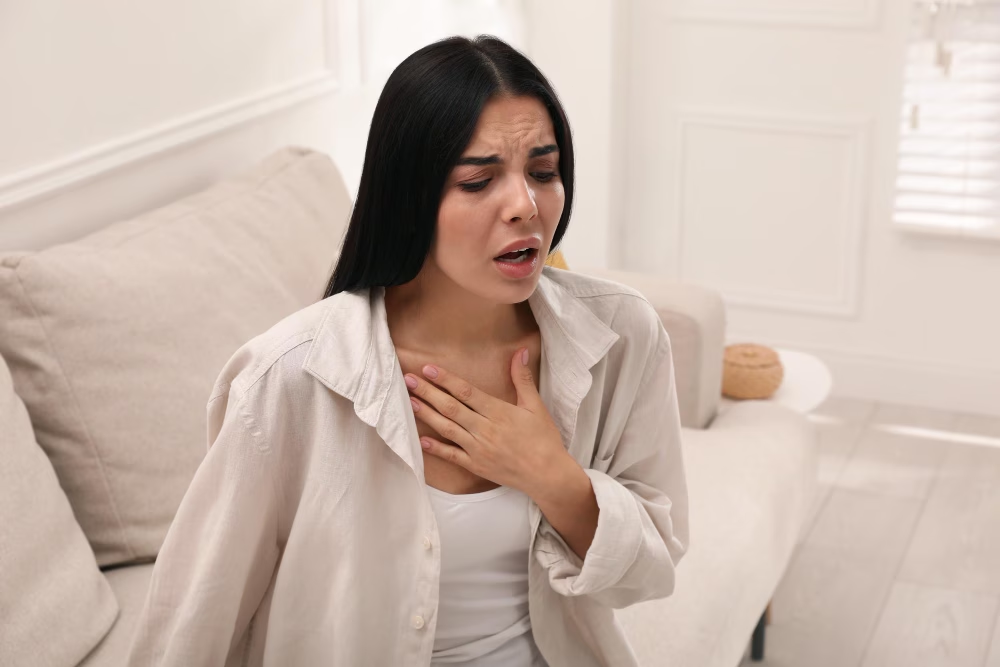
Suspected asthma needing further evaluation.

Exercise-related breathing symptoms or coughing.

Ongoing breathing concerns without answers.

Symptoms that need ongoing monitoring.
Wheezing, cough, or breathing trouble.
Shortness of breath or tightness.
Suspected asthma needing further evaluation.
Exercise-related breathing symptoms or coughing.
Ongoing breathing concerns without answers.
Symptoms that need ongoing monitoring.
Objective measurement
Why pulmonary function testing matters
Breathing symptoms can feel subjective, especially when they change from day to day. Pulmonary function testing gives objective information about airflow and airway function, which can help support diagnosis, guide treatment decisions, and track response over time.
Benefits of pulmonary function testing may include:
Measuring airflow and lung performance
Supporting asthma diagnosis
Helping monitor control over time
Clarifying whether symptoms may fit an airway condition


Testing methods
Our pulmonary function testing approach
The exact testing approach depends on the patient’s symptoms, age, medical history, and the question the visit is trying to answer.
Spirometry
A common lung function test that measures how much air you can exhale and how quickly you can move it out.
Pre- and post-bronchodilator testing
May be used to see whether breathing improves after inhaled medication, which can help support asthma evaluation.
Symptom and result review
Test findings are reviewed alongside symptoms and medical history to guide diagnosis and treatment planning.
Ready for a clearer breathing evaluation?
Schedule pulmonary function testing to better understand asthma symptoms, airway function, and the next best steps for treatment.
Book an appointment