
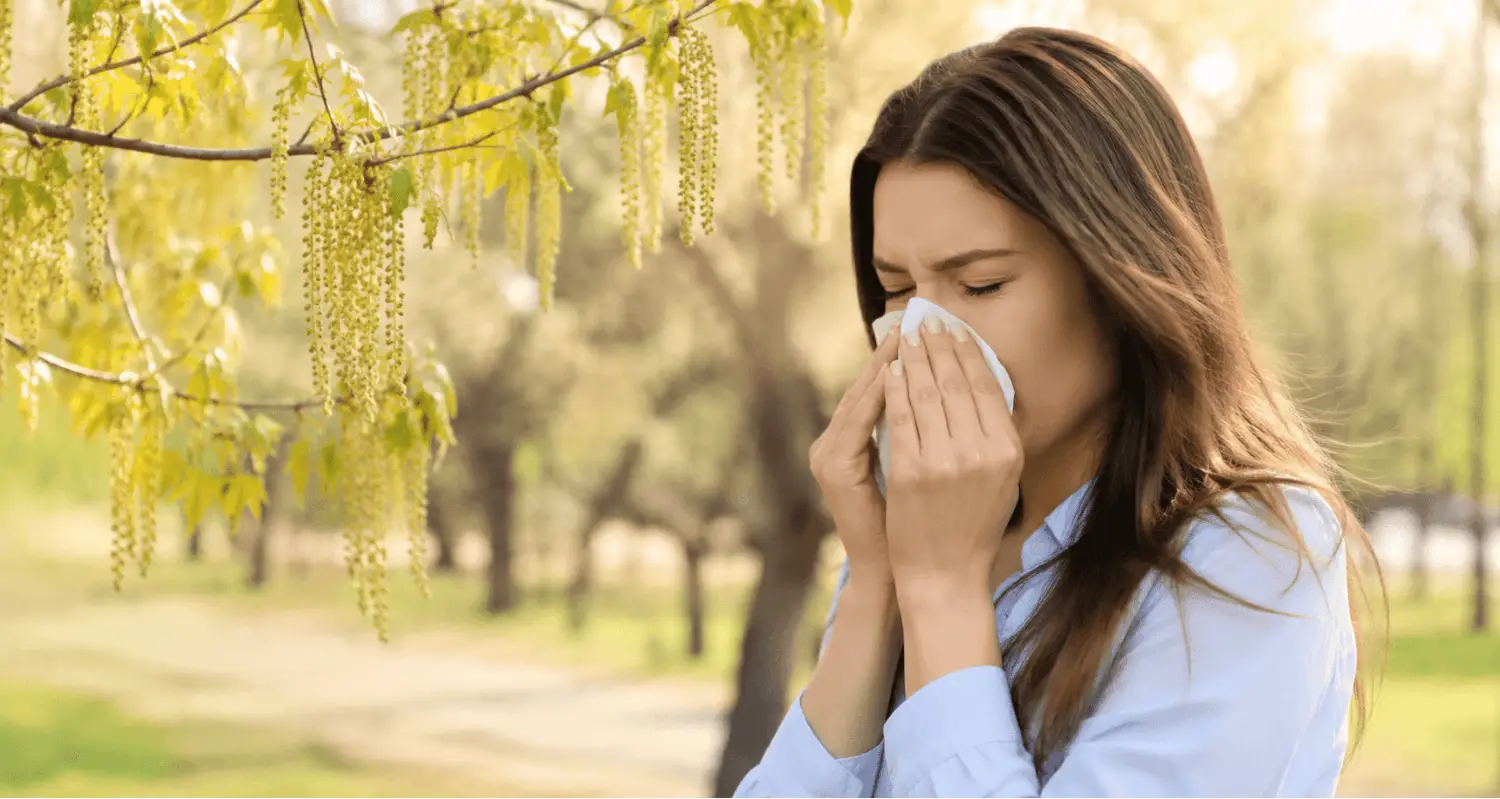
For many families in Southeast Michigan, allergy season is easy to spot. The sneezing starts, eyes get itchy, and a stuffy nose makes it hard to sleep. What surprises many people is how long the season can last. In Michigan, different pollens take turns from early spring until the first hard frost, so symptoms can come back again and again.
Knowing what triggers your symptoms, and when, is the first step toward real relief.
What causes seasonal allergies?
Seasonal allergies, also called hay fever or allergic rhinitis, happen when your immune system reacts to something harmless in the air, most often pollen or mold spores. Your body treats these particles as a threat and releases chemicals like histamine. That reaction causes the familiar symptoms.
- Sneezing and a runny or stuffy nose
- Itchy, watery, or red eyes
- Itchy throat, nose, or ears
- Postnasal drip and coughing
- Feeling tired or foggy, especially after poor sleep
For people with asthma, pollen can also trigger coughing, wheezing, or chest tightness. If your breathing gets worse during certain seasons, allergies may be part of the reason. Learn more about allergic asthma.
Michigan allergy seasons at a glance
Every year is a little different, and weather plays a big role. In general, here is what to expect:
Early spring: tree pollen
Trees such as maple, oak, birch, and elm usually start releasing pollen as soon as the weather warms up, often in March or April. Tree pollen is light and travels far on windy days.
Late spring and summer: grass pollen
Grass pollen usually peaks from late May through July. Mowing the lawn, playing sports, or spending time in parks can make symptoms worse during these months.
Late summer and fall: ragweed and mold
Ragweed is one of the biggest causes of fall allergies. It usually starts in mid-August and lasts until the first frost. Mold spores also rise in late summer and fall, especially around damp leaves and soil.
If your symptoms show up at the same time every year, that pattern is an important clue. Write down when they start and what makes them worse, and bring those notes to your visit.
Simple ways to reduce your exposure
You cannot avoid pollen completely, but small changes at home can help:
- Check the daily pollen count and plan outdoor time when levels are lower
- Keep windows closed at home and in the car during high pollen days
- Use air conditioning with a clean, high-quality filter
- Shower and change clothes after spending time outside
- Wash bedding in hot water once a week
- Wear sunglasses outdoors to help protect your eyes
These steps work best together with the right treatment plan.
When to see an allergist
Over-the-counter medicines help many people, but they are not always enough. It may be time to see a specialist if:
- Your symptoms last for weeks or months each year
- Medicines help only a little, or you need them every day
- Allergies affect your sleep, work, or school
- You keep getting sinus infections
- You notice wheezing, coughing, or shortness of breath
An allergist can find out exactly what you are allergic to. Allergy testing is quick, and the results help your provider build a plan that targets your specific triggers.
Treatment options that go beyond the season
Depending on your test results and goals, your provider may recommend:
- Prescription nasal sprays, eye drops, or other medicines to control daily symptoms
- Allergy shots to help your body become less sensitive to pollen over time
- Cluster immunotherapy, which builds up your allergy shot dose faster
- Sublingual immunotherapy (SLIT), a treatment taken under the tongue for certain allergies
- Eye allergy care for red, itchy, watery eyes
Immunotherapy treats the cause of allergies, not just the symptoms. For many patients, that means fewer symptoms and less need for medicine in the seasons ahead.
Get ahead of allergy season
The best time to see an allergist is before your worst season begins. Starting treatment early can make the months ahead much more comfortable. Paris Asthma & Allergy Centers cares for adults and children at offices in Livonia and Brighton.
Read more about seasonal allergies, or schedule a visit to find out what is behind your symptoms.